-

-
An Insider’s Guide to Public Art with Matt Cox
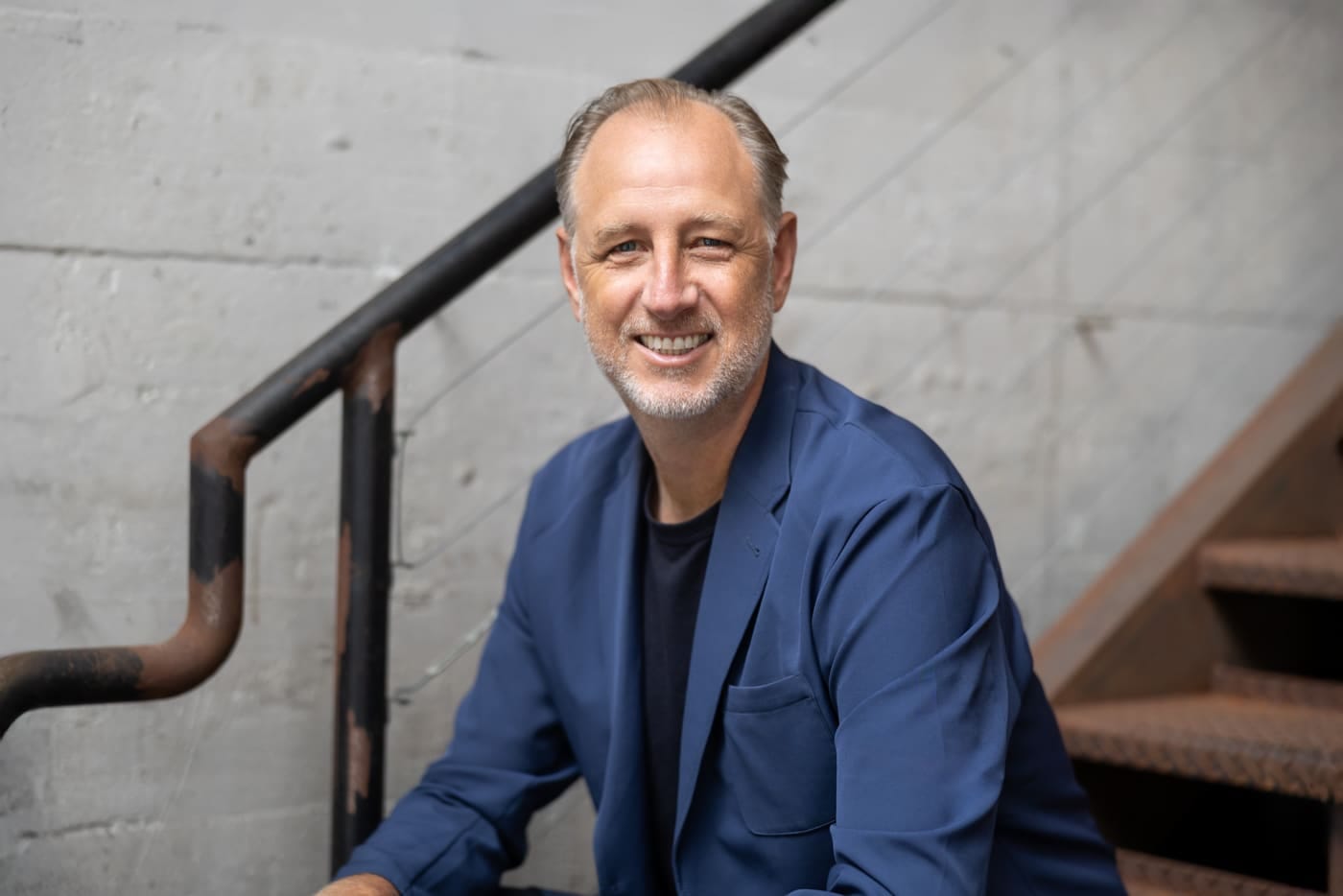
Matt Cox,
Senior Curator & Artist Liaison
Tilt Industrial Design22 August 2025
-

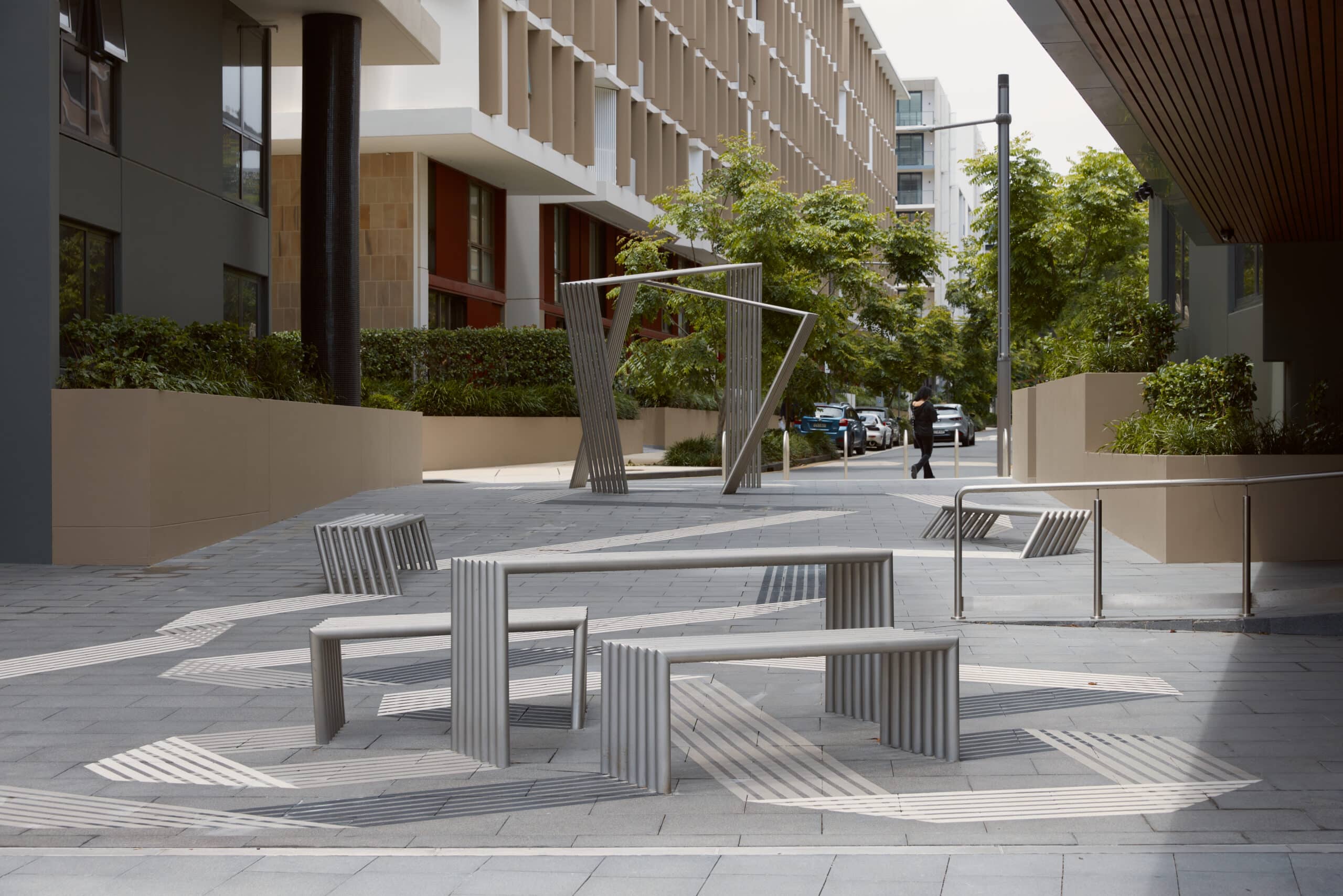
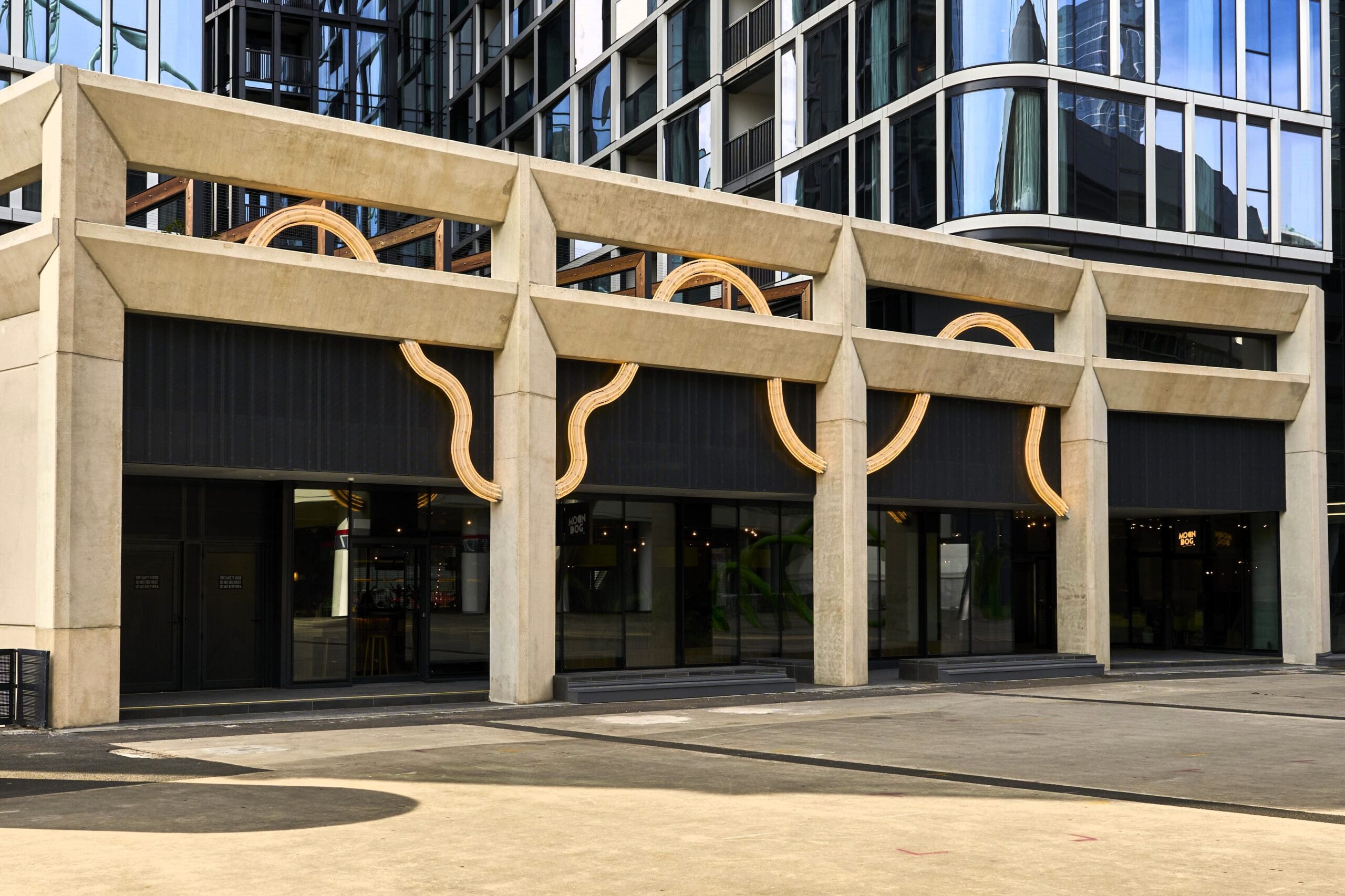
Through Fold, Nadia Odlum, 2024 -
When we think about where art “lives,” galleries and museums probably come to mind first. But stepping outside the white cube and into public space opens up a whole new world of opportunities for artists.
One of the biggest draws of public art is that it offers different models of working and opportunities for collaboration. Rather than relying on the gallery system, artists working in public space often engage with alternative forms of patronage and curatorship—and with that comes a whole new relationship to space and the public.
Let’s start with a bit of context.
-
A Brief Look at the History of Public Art and Patronage
If we understand contemporary gallery-based art as something shaped by curators, museum history, and certain expectations around how we behave in those spaces, then public art might be understood by its integration in the built environment and most importantly, how the public, going about their lives, relate to the work.
Historically, public art has been funded and shaped by a wide range of patrons—individuals, governments, developers, councils, and even communities themselves. Unlike galleries or museums, which can have more hierarchical and mysterious systems of gatekeeping, public art operates in a broader and often more diverse ecosystem. That doesn’t mean it’s without processes, stakeholders, and approvals—but the values and priorities are often very different.
-

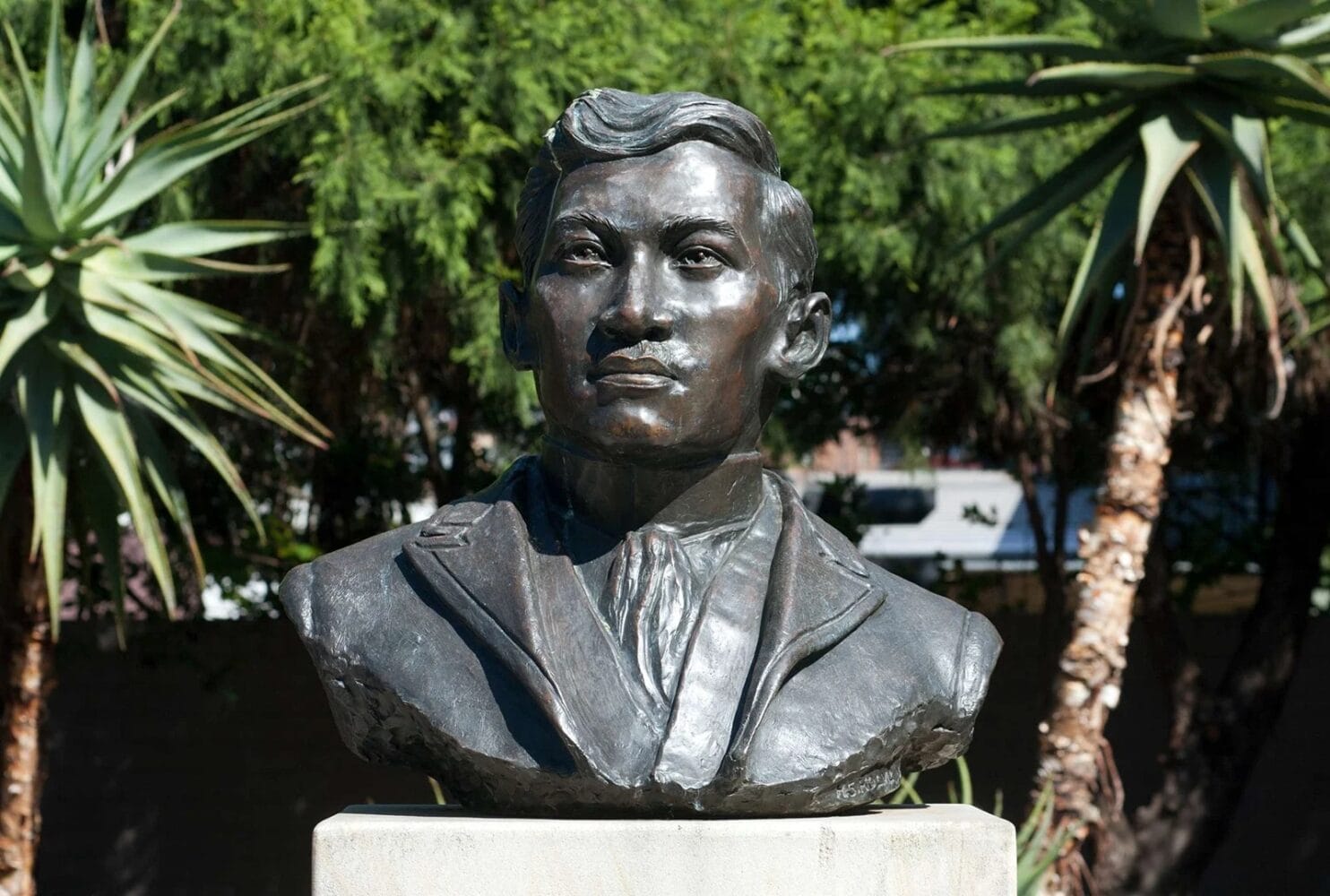
Dr Jose Rizal by Haldane Holman. A gift to the citizens of Sydney from John Holland (Philippines),1995 -
Different Stakeholders, Different Priorities
In public art, your main point of contact might not be a curator or gallerist. It might be a property developer or a local council. These stakeholders have their own motivations—budgets, timeframes, political accountability, public visibility, and investor interests. So naturally, their approval processes and expectations are going to be quite different.
And although these kinds of projects can sometimes feel more ‘instrumental’, they also come with upsides—processes can be more transparent and there’s real potential to develop and expand your practice in new directions.
New Challenges and Shifts in Practice
Of course, public art is not without its challenges. One of the big shifts for artists moving into the public realm is learning to manage a wide array of stakeholder expectations. This might mean adapting your original concept, or even handing over certain aspects of production—especially when it comes to larger-scale works. In public art, it’s rare for artists to physically make the final work themselves. The scale and complexity often require collaboration with fabricators, engineers, and project managers.
For those artists working in studio-based disciplines like printmaking, ceramics, or painting, this can be a big leap. For artists who make the shift successfully, it’s usually in partnership with a wider project team.
Audience Matters
One of the most distinctive aspects of public art is the audience. Unlike gallery-goers, public audiences are diverse, unfiltered, and not necessarily seeking out the work. That changes how art is received—and what is expected of it.
This is where the Public Art Plan come in—it’s a document that outlines the goals, target audience, and how the artwork fits into the broader community and/or infrastructural needs and is used by curators, developers and councils to create a framework for the identification and selection of artists.
-

-
Who Selects the Artists?
Artist selection depends on the project. For council projects, selection is usually managed in-house and artists are invited to apply through an open Expression of Interest. When it comes to larger developments or infrastructure projects, curatorial agencies are often brought in to manage the artist selection process. Typically, a shortlist of artists is invited to submit a concept design, which is then assessed by a panel of stakeholders. It’s a competitive process—and while it can open doors, it can be also be demanding.
A Word of Caution
While public art budgets can seem generous on paper, they come with strings attached—protracted timelines, complex admin, stakeholder meetings, and documentation. The EOI process itself can be time-consuming and often leads to disappointment.
In the second stage of the process, Concept design fees are generally modest—anywhere from $1,000 to $5,000 depending on the scale of the project. This is usually the stage where artists seek out help from curatorial and project management groups to assist with design, planning, and technical delivery.
Closing Thoughts
So, why consider public art? Because it invites you to think differently about what your work can do—and who it can reach. It can open up opportunities for collaboration, for expanding your practice, and puts your work in direct dialogue with a broader public beyond the gallery walls.
-
Related articles


-
Latest News & Insights